

MASTER DATA & TELEMATICS
Onboard wagons in minutes. Track every move.
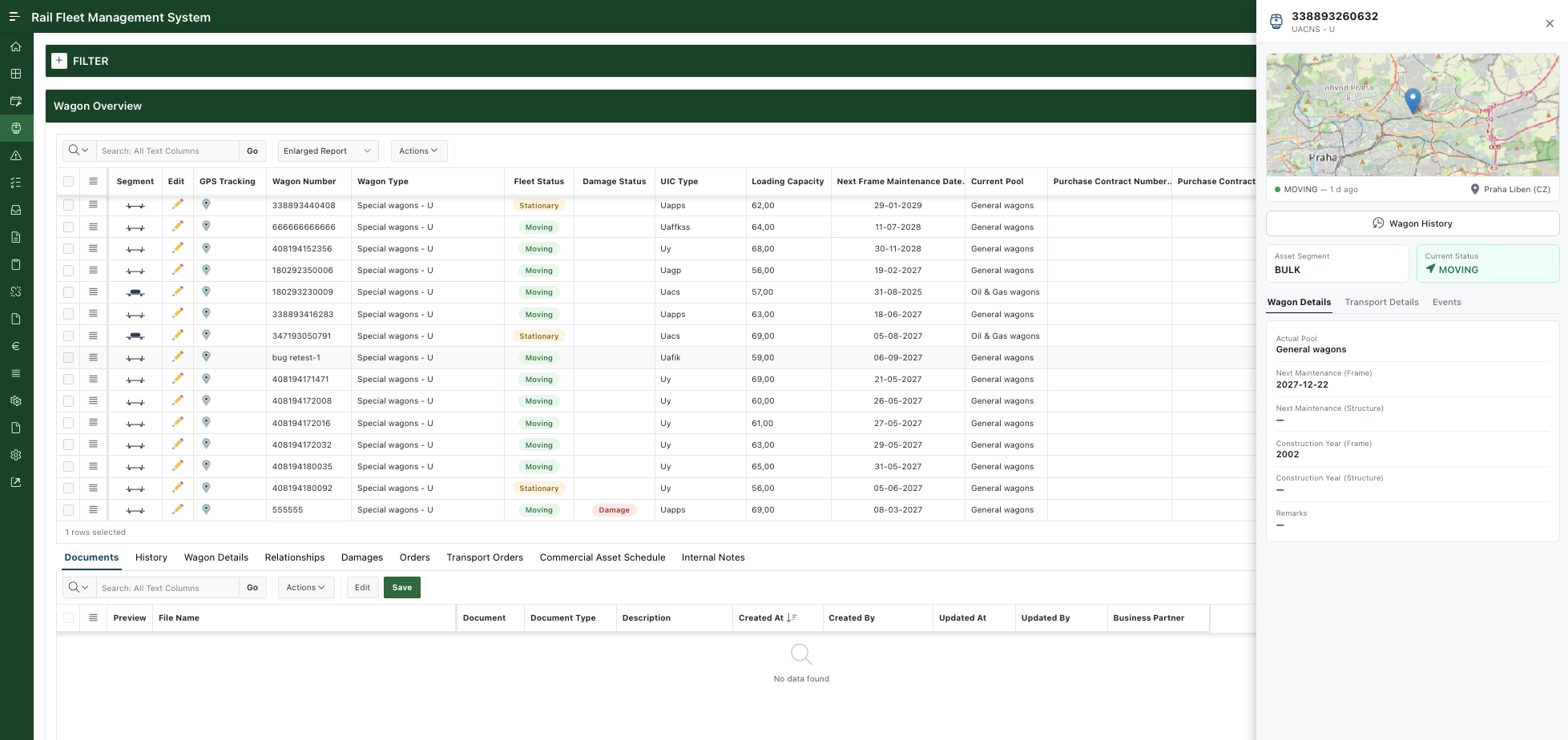
Wagon master data imported from RSRD² in one step — UIC codes, technical parameters, capacity, regulatory status, all synced. Ownership tracked across own, leased, and customer-related wagons. Sub-fleets and pools organised the way your operation works, with live position, mileage, and condition from telematics.
KEY FEATURES
One record per wagon. Live from day one.
From the UIC code in RSRD² to the GPS ping from the telematics box, every fact about every wagon lands on the same record, so fleet, operations, and finance stop maintaining three different versions of the same truth.
MASTER DATA
Wagons onboarded from RSRD², not Excel.
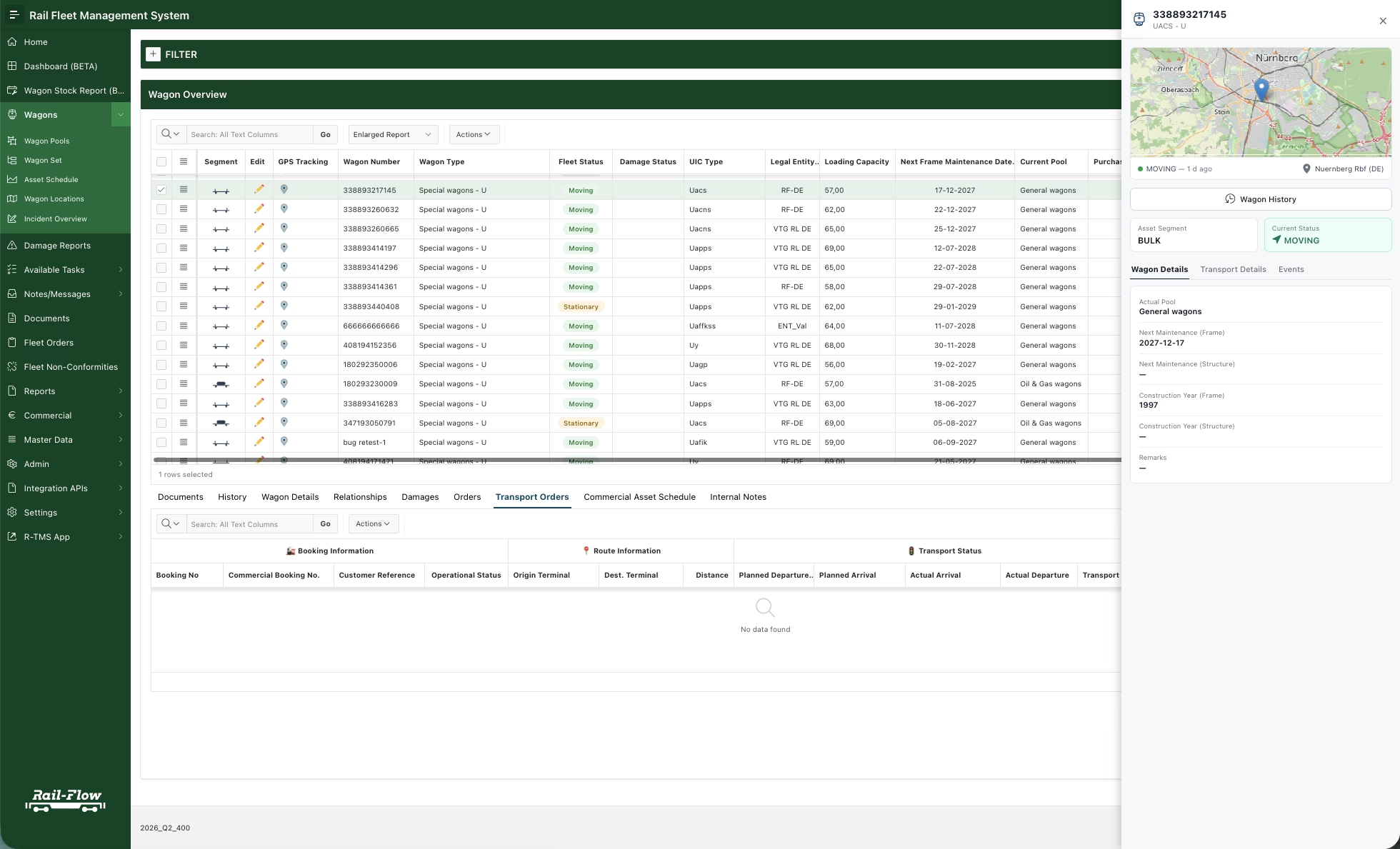
Enter the UIC code. The wagon arrives: technical parameters, capacity, gauge, brake type, RID category, regulatory status, all synced from RSRD² in one step. No spreadsheets, no PDF data sheets, no re-typing the same record across three systems.
Changes in the registry flow through to the wagon record automatically. Fleet, operations, and finance all work from the same source of truth, kept current by the registry, not by your team.

STRUCTURE
Your fleet, structured the way you run it.
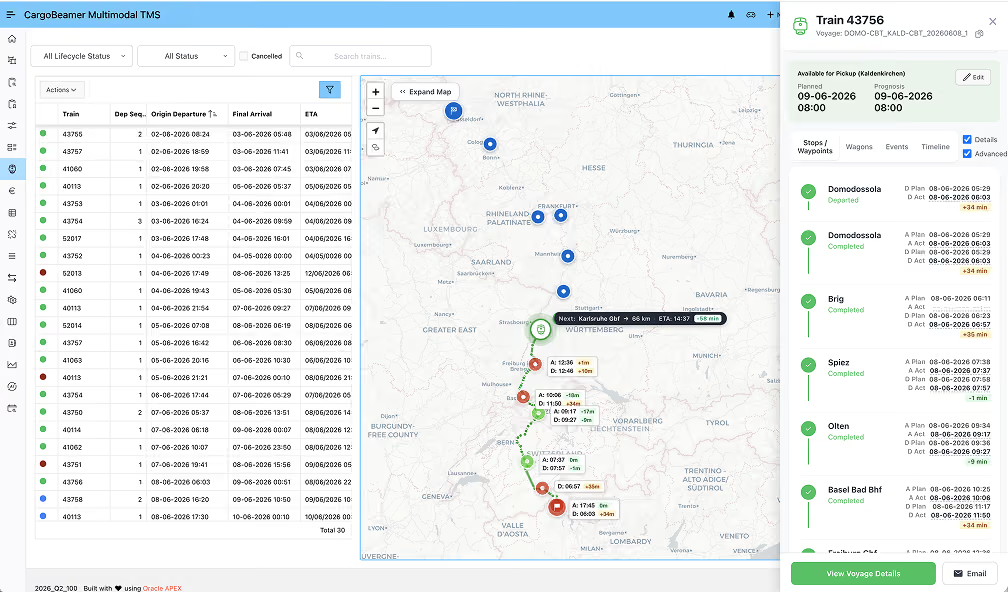
Own wagons, leased wagons, and customer-related wagons all live on the same platform, each with the ownership model, cost basis, and contractual terms that actually apply. Mixed fleets stop being three spreadsheets.
Sub-fleets and pools follow the way the operation is organised: by commodity, by customer, by region, by maintenance cycle. Filters, KPIs, and availability roll up the same way.
Three ownership models
Own, leased, and customer-related wagon, each with the cost basis, contract reference, and reporting hierarchy that fits.
Sub-fleets & pools
Group wagons by commodity, customer, region, or maintenance cycle. Filters, availability, and KPIs roll up the way the operation is run.
Complete wagon sets
Block trains and dedicated sets kept together as one unit: availability, mileage, and maintenance status managed at the set level.
TELEMATICS
Live wagon data, on the same record.
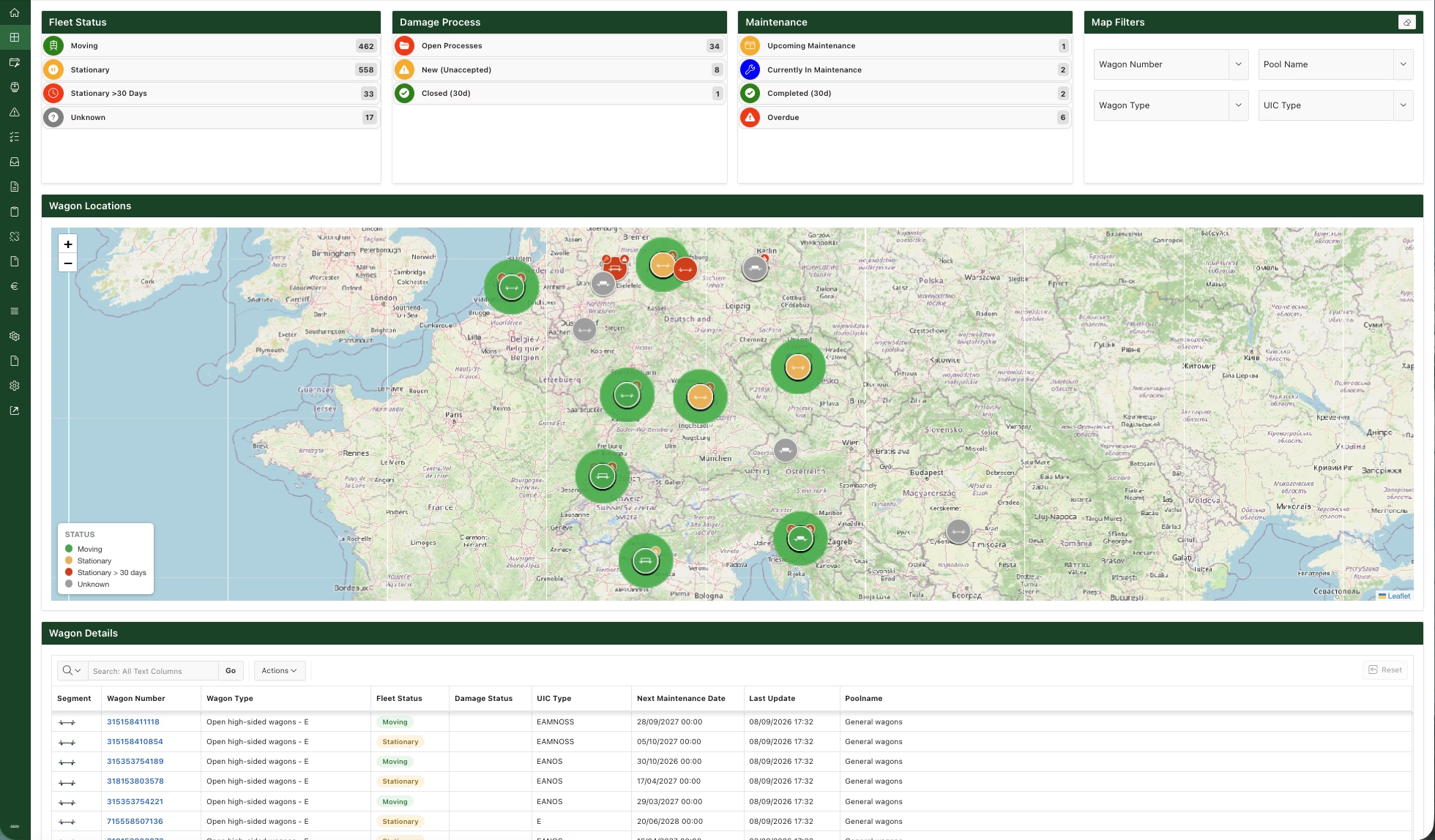
Position, mileage, and condition stream straight onto the wagon record, so the same screen that holds the master data also holds the live data. Dispatchers see where the wagon is; maintenance sees how far it has run; finance sees what it has done.
GNSS / GPS integration is in production today. Additional telematics data like temperature, load/unloading sensors or maintenance sensors are added on customer request.

SEE IT LIVE
Bring 10 UIC codes. We’ll onboard them live.
A 30-minute walkthrough on your real wagon list, own, leased, customer-related, with a Rail-Flow fleet specialist.
Frequently asked questions.
Five questions every head of fleet and asset manager asks before onboarding their first wagon. Anything missing? Just ask during your demo.
Haben Sie eine Frage, die hier nicht beantwortet wird? Melden Sie sich bei uns, wir antworten innerhalb eines Werktages.
Vom einzelnen Wagen bis zur Flotte mit mehreren Tausend Wagen. Das Onboarding-Modell ist stets dasselbe: UIC-Codes eingeben, die Stammdaten kommen aus RSRD², Teilflotten und Pools werden auf den Betrieb abgestimmt. Der Massenimport von UIC-Listen ist Standard. Größere Flotten werden in der Regel in Wellen nach Teilflotte oder Warengruppe onboarded, statt alle auf einmal.
RSRD² ist die Rolling Stock Reference Database, das europäische Register für Wagenstammdaten. Wagen, die nicht darin enthalten sind (außerhalb der EU, im Umbau, vom Kunden beigestellt), werden manuell mit derselben Datensatzstruktur erfasst. Kein Parallelsystem, keine separate Tabelle, sie stehen direkt neben den aus dem Register importierten Wagen.
Die Anbindung an mehrere Wagenvermieter (VTG, GATX, Wascosa, ERR, Ermewa) ist heute produktiv im Einsatz. Weitere Anbieter werden auf Kundenwunsch im Rahmen des standardmäßigen Onboarding-Umfangs ergänzt; die Integrationsarbeit läuft als Teil des Projekts und nicht als separates Vorhaben. Nennen Sie uns den Anbieter Ihrer Flotte, bestätigen wir Ihnen den Zeitplan, bevor Sie sich festlegen.
Alle drei Eigentumsmodelle (eigen, geleast, kundenbezogen) nutzen dieselbe Datensatzstruktur, jeweils mit eigener Kostenbasis, Vertragsreferenz und Berichtshierarchie. Die Leasingkosten fließen in die Gewinn-und-Verlust-Rechnung des Wagens ein. Kundenbezogene Wagen lassen sich in internen Verfügbarkeitsansichten ein- oder ausblenden. Gemischte Flotten bleiben eine Flotte.
Master Data & Telematics ist die Grundlagenebene. Derselbe Datensatz speist Damage Management (Wagen in Reparatur), Maintenance Management (laufleistungsbasierter Plan) und das TMS (Verfügbarkeit für die Planung). Ein Wagen, ein Datensatz, alle Workflows darauf aufbauend. Starten Sie eigenständig oder als Teil des vollständigen Fleet-Management-Produkts.
MORE FROM FLEET MANAGEMENT
Explore related features.
Discover the other Fleet Management capabilities that run on the master-data and telematics layer and the way the wagon record feeds the rest of the Rail-Flow platform.
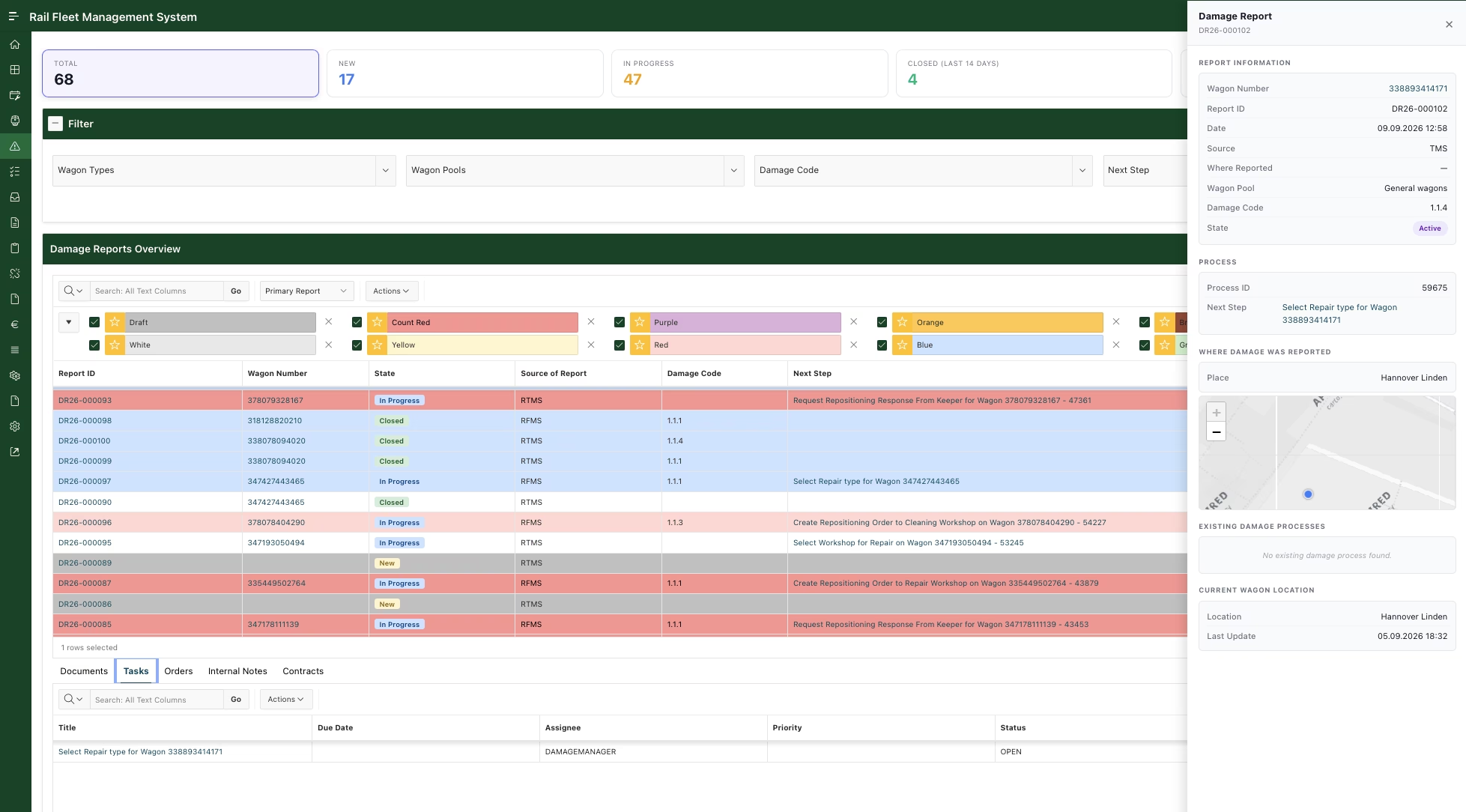
Damage Management
Capture damages digitally with GCU / AVV-standard codes, route estimates to contract workshops, approve per line item. Hours, not days, all on the same wagon record.
Maintenance Management
Preventive maintenance driven by telematics mileage and time limits. Workshop coordination, ECM-ready audit trail, regulatory status tracked throughout.
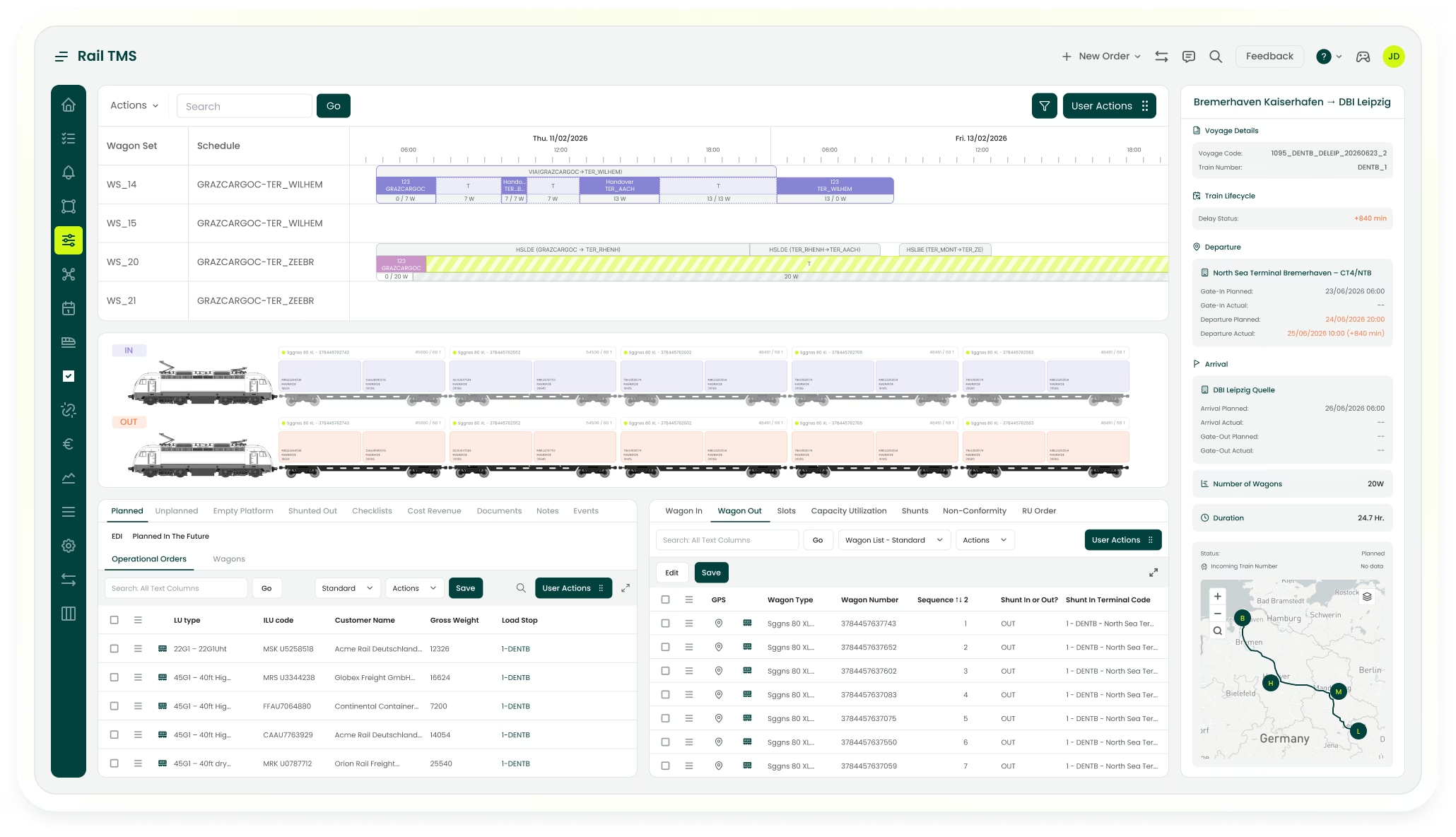
Transport Management (TMS)
The operating layer for rail and intermodal logistics. Live wagon availability from the fleet record feeds dispatch, planning, and the customer view, every wagon visible end to end.