

DAMAGE MANAGEMENT
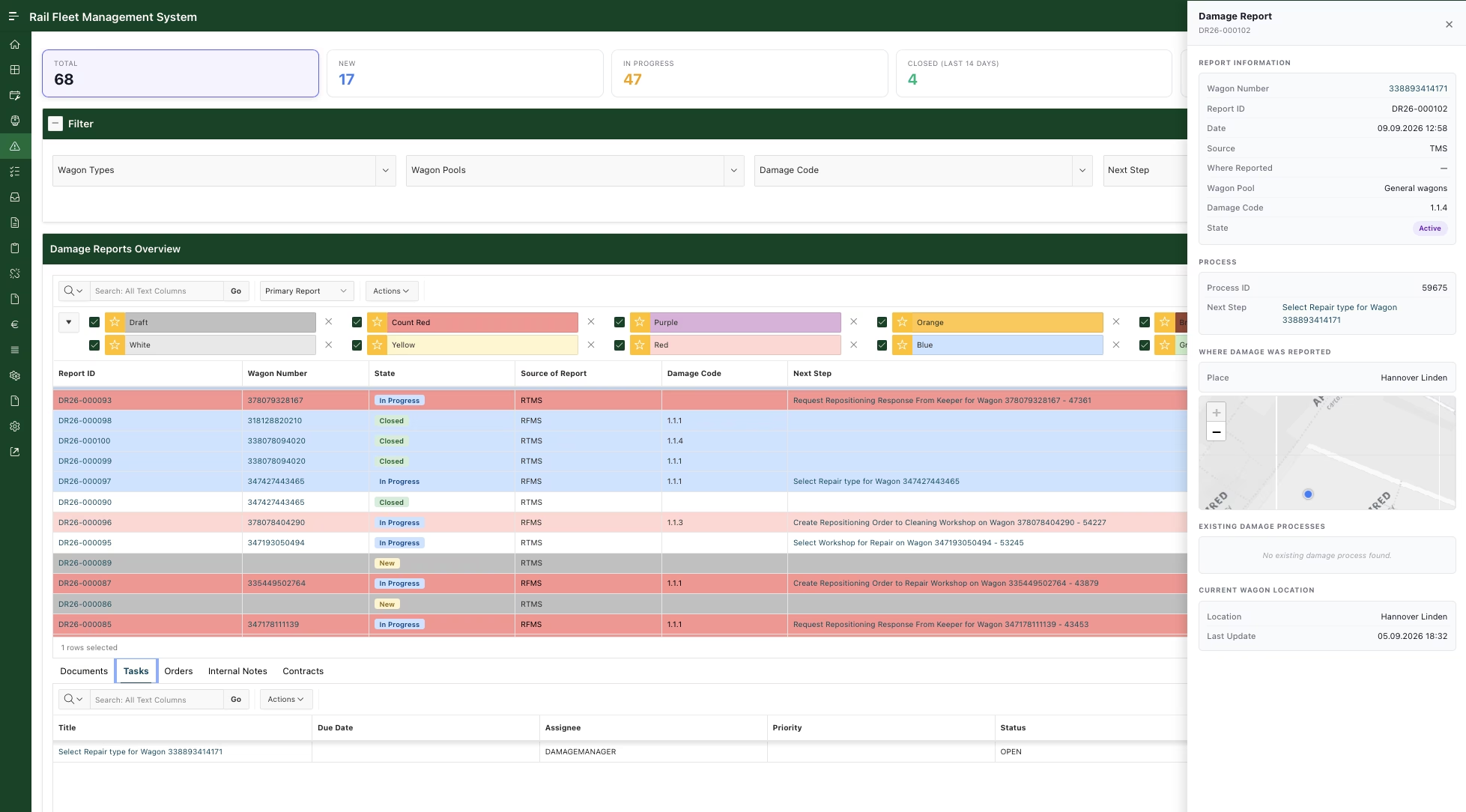
Damages captured at the wagon, resolved in the office.
Damages captured digitally with photos and GCU / AVV-standard codes, or your own, and sent automatically as a report. Estimates routed directly to contract workshops with per-line-item approval. Full audit trail synced to the TMS, so operations and finance see the same status in real time. No email back-and-forth. No wagons sitting idle while paperwork catches up.
KEY FEATURES
From photo at the wagon to invoice in the TMS.
One workflow covers the damage from the moment it is spotted at the wagon to the moment the workshop invoice clears against the audit trail, so the wagon, the keeper, the operator, and finance all see the same status at the same time.
CAPTURE
Caught at the wagon. Coded at the source.
Damage spotted, damage captured: on the device, at the wagon. Photos, GCU / AVV-standard codes, and your own custom codes side by side. The damage report writes itself from the inputs and goes the moment the inspector hits send.
No handwritten note, no second pass at a desktop, no paper form retyped on Monday morning. The wagon record carries the evidence from the start.

ROUTING
Estimates routed. Approved per line.
The damage report arrives at the contract workshop already coded, photographed, and routed by your rules, no email forwarding, no follow-up phone calls. The workshop responds with an estimate; you approve, query, or decline per line item.
Auto-approval thresholds you control handle the small stuff. The cases that need a human reach a named approver with the failing line, the photo, and the code already pinned.
Contract workshop routing
Damages routed to the right workshop by wagon type, region, contract, or customer-related fleet. External partners get scoped access, no view of the rest of the fleet.
Per-line-item approval
Approve, query, or decline per line. Each decision pinned to the damage record with reason and timestamp.
Auto-approval thresholds
Configure thresholds per cost range, wagon type, or workshop. The small cases flow through; the ones that matter stop for a person.
AUDIT TRAIL
Operations and finance, same status, same time.
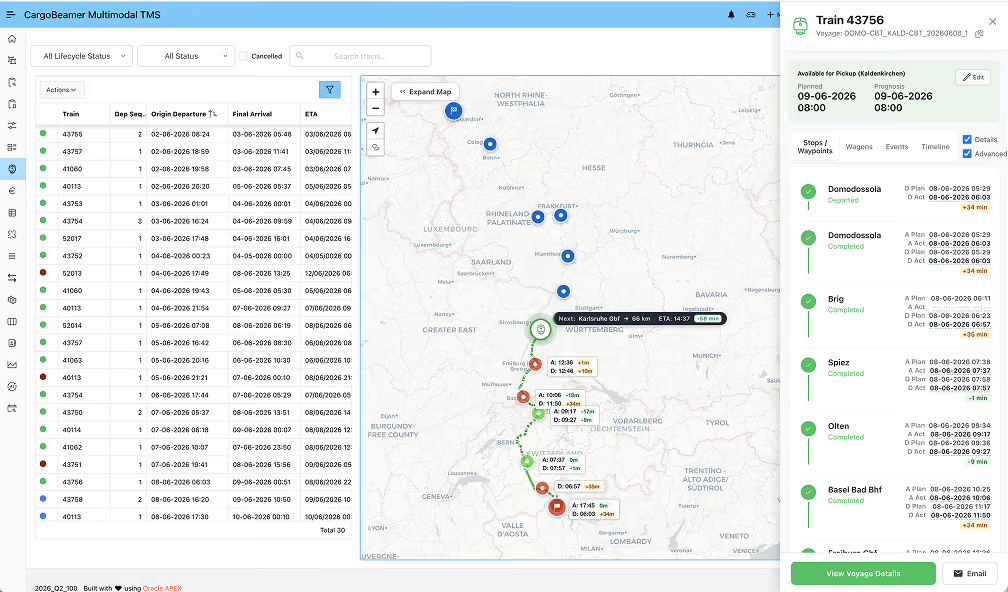
Damage status syncs to the TMS the moment it changes. Dispatch sees the wagon is out; finance sees what the workshop has billed; the keeper sees the audit trail in sequence. Three teams, one record, no version control problem.
Damages can promote into maintenance events where the workshop work crosses the threshold, so the planned and unplanned worlds stay on the same calendar.

SEE IT LIVE
Bring one open damage case. We’ll walk it through.
A 30-minute walkthrough on a real damage - capture, code, route, approve, sync - with a Rail-Flow fleet specialist.
Frequently asked questions.
Five questions every workshop coordinator and head of fleet ask before going fully digital on damages. Anything missing? Just ask during your demo.
Have a question that's not covered here? Reach out and we'll get back to you within one business day.
GCU and AVV standard codes are built in for the keeper-operator world. Your own custom codes sit next to them on the same record: internal taxonomies, customer-specific schemes, and legacy codes mapped one-to-one. Inspectors pick from one consolidated picker; reports roll up either way.
A browser-based mobile capture view on the device the inspector already carries, phone or rugged tablet. Photos, codes, and description captured at the wagon, attached to the record on send. No paper form, no second pass at a desktop, no personal photo rolls.
External and contract workshops get scoped access to the damages routed to them, not the rest of the fleet. They respond with line-item estimates inside the same workflow you use internally. Routing rules per wagon type, region, contract, or customer-related fleet configure in the UI.
Auto-approval thresholds are yours to set: per cost range, wagon type, workshop, or customer-related fleet. Cases under the threshold flow through; cases over it route to a named approver with the failing line, photo, and code already pinned. Every decision is logged with reason and timestamp.
Damages live on the same wagon record as master data, telematics, and maintenance. Status syncs to the TMS planboard in real time. Damages that need full workshop time can promote into a maintenance event. Start with Damage Management standalone or as part of the full Fleet Management product.
MORE FROM FLEET MANAGEMENT
Explore related features.
Discover the other Fleet Management capabilities that share the wagon record with Damage Management and the way damage status flows into the rest of the Rail-Flow platform.
Master Data & Telematics
Wagon master data from RSRD² in one step. Live position, mileage, and condition from telematics, the record every damage attaches to.
Maintenance & Availability Planning
Preventive maintenance driven by telematics mileage and time limits. Damages above the threshold promote straight into the maintenance plan.
Transport Management (TMS)
The operating layer for rail and intermodal logistics. Live wagon availability from the fleet record feeds dispatch, planning, and the customer view, every wagon visible end to end.